
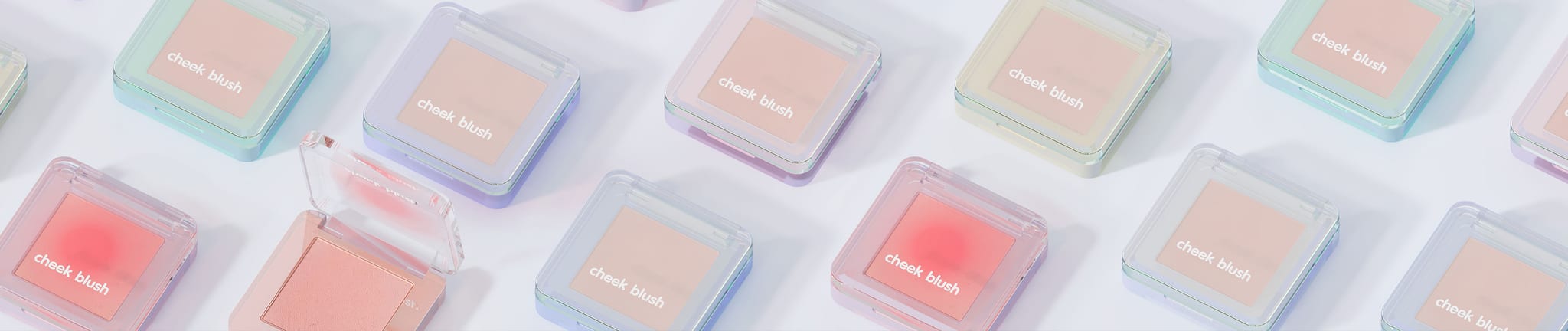
Cosmetic Packaging Quality Control
Tengyi Beauty tests cosmetic packaging for sealing performance, component fit, surface quality and functionality to meet your project requirements.
Our Commitment to Cosmetic Packaging Quality
Tengyi Beauty follows an ISO 9001-certified quality management system to maintain consistent standards in cosmetic packaging production. Our quality control team uses measuring instruments alongside visual and functional checks to assess product quality, identify defects and verify that finished packaging meets customer requirements before shipment. This structured inspection approach supports continuous quality improvement and reliable packaging supply.
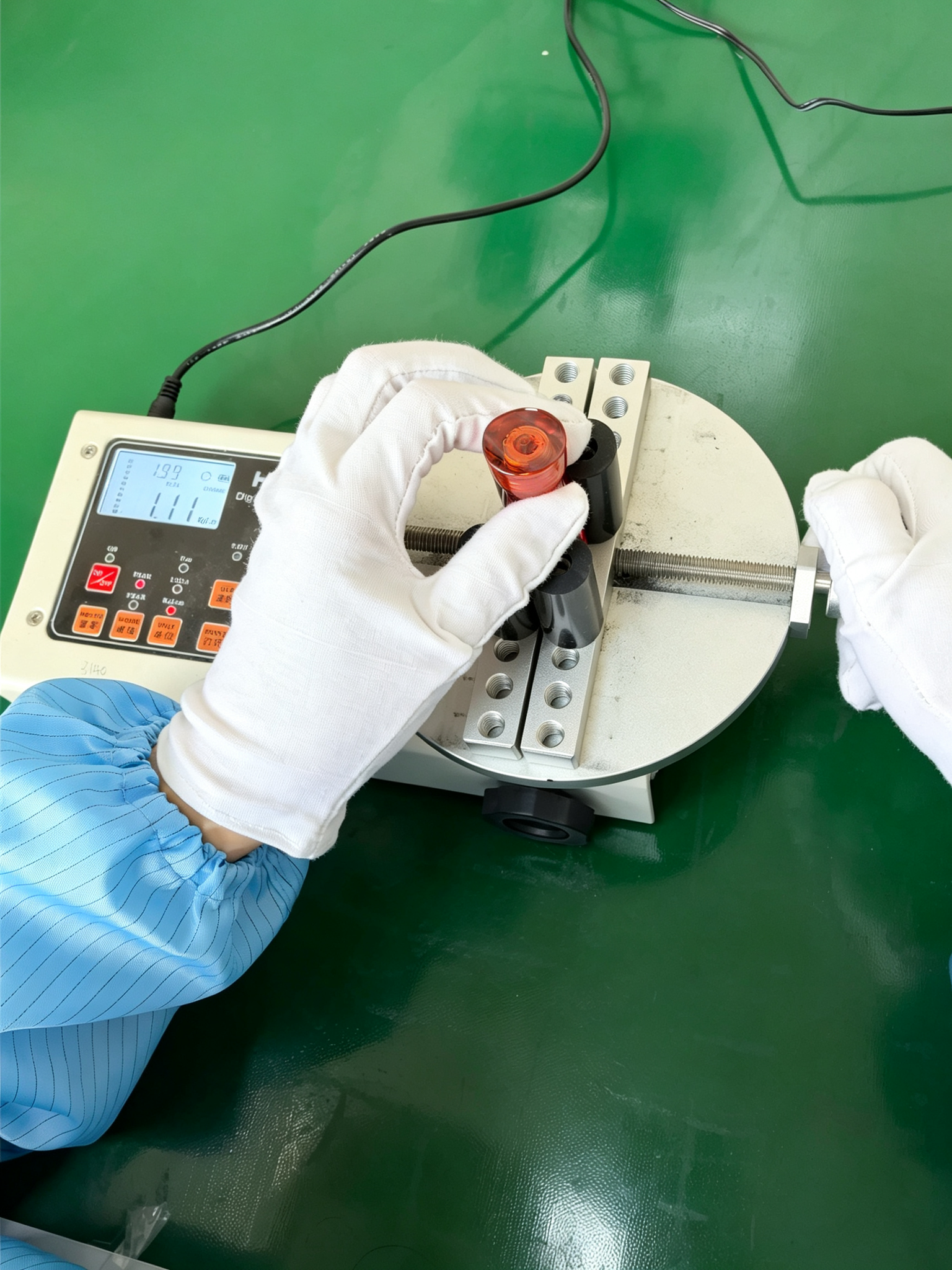
Cosmetic Packaging Inspection Standards
Select a packaging category to explore its inspection methods and reference criteria. Applicable checks depend on the product’s structure, components and decoration.
Compact Cases
Quality checks for powder compacts, eye shadow cases and similar makeup containers.
| Inspection Item | Test Method | Standard |
|---|---|---|
| Lid forced-opening force | Push-pull force gauge | ≥0.25 kgf. |
| Button pressing force | Push-pull force gauge | ≤1.0 kgf. |
| Mirror detachment test | Push-pull force gauge | Apply 4.0 kgf for 10 seconds; the mirror must not detach. |
| Drop test | Visual inspection | Drop once from 76 cm; no component may lose its function. |
| Screen-print adhesion | 3M 810 adhesive tape | One test with 3M 810 tape; no detachment. |
| Case weight | Electronic scale | Measure and record the actual weight. |
| Spray-coating adhesion | 3M 810 adhesive tape | One test with 3M 810 tape; no detachment. |
| Colour | Visual inspection | Refer to the colour/appearance limit board or sample. |
| Printing | Caliper / visual inspection | Position: refer to the artwork. Colour: refer to the sample or limit board. Lettering must be clear and complete. |
| Sink marks | Visual and tactile inspection | Obvious sink marks that affect functionality. |
| Flow lines / gas marks | Inspection film / visual inspection | Length less than 30 mm, with no tactile prominence. Marks within 10 mm with no tactile prominence are acceptable. |
| Scratches | Inspection film / visual inspection | Scratches exposing the underlying material and exceeding 7 mm in length. |
| Surface pitting | Inspection film / visual inspection | Diameter less than 1.0 mm; pits within 0.5 mm are acceptable. |
| Foreign-colour spots / pigment spots | Visual inspection | A single-spot diameter or the sum of multiple spot diameters greater than 1.5 mm. |
Lipstick Tubes
Inspection of cap fit, twist-mechanism performance, component retention and decorated surfaces.
| Inspection Item | Test Method | Standard |
|---|---|---|
| Cap-to-base opening force | Pull-force gauge | At room temperature: 0.3–1.5 kgf. The cap and base must not wobble relative to each other when the product is gently shaken by hand. |
| Mechanism core detachment force — base assembly | Pull-force gauge | At room temperature: ≥4.5 kgf. |
| Airtightness | Vacuum chamber | −0.06 MPa for 5 minutes. No water leakage onto the paper or at the threads. Test in side-lying and standing positions.* |
| Mechanism operating torque | Torque tester | 0.06–0.36 kgf.cm. |
| End-plug-to-mechanism detachment force | Pull-force gauge | ≥1.0 kgf.cm — reference value.* |
| Mechanism upper/lower end-stop torque | Torque tester | ≥1.3 kgf.cm — reference value. |
| Mechanism-core-to-base detachment force | Pull-force gauge | At room temperature: ≥4.5 kgf. |
| Cap-to-base closing force | Pull-force gauge | At room temperature: 0.5–2.5 kgf. |
| Drop test | Drop test platform | Drop the product from 1 m onto concrete at a 20–45° angle. No damage, cracking or component separation. |
| Mechanism rotation smoothness | Manual testing | Smooth rotation without roughness or resistance. |
| Printing and spray-coating adhesion | 3M 810 adhesive tape | One test with 3M 810 tape; no detachment. |
| Colour | Visual inspection | Refer to the colour/appearance limit board or sample. |
| Printing | Caliper / visual inspection | Position: refer to the artwork. Colour: refer to the sample or limit board. Lettering must be clear and complete. |
| Sink marks | Visual and tactile inspection | Obvious sink marks that affect functionality. |
| Flow lines / gas marks | Inspection film / visual inspection | Length less than 30 mm, with no tactile prominence. Marks within 10 mm with no tactile prominence are acceptable. |
| Scratches | Inspection film / visual inspection | Scratches exceeding 10 mm in length that can be felt by touch. |
| Surface pitting | Inspection film / visual inspection | Diameter less than 1.0 mm; pits within 0.5 mm are acceptable. |
| Foreign-colour spots / pigment spots | Visual inspection | A single-spot diameter or the sum of multiple spot diameters greater than 1.5 mm. |
Lip Gloss & Mascara Tubes
Checks for applicator-style cosmetic tubes, including eyeliner packaging where the same components and construction apply.
| Inspection Item | Test Method | Standard / Criteria |
|---|---|---|
| Airtightness — two conditions; test on both sides | Vacuum chamber | Fill with coloured liquid, apply a vacuum of −0.06 MPa and hold for 5 minutes. Check the white paper for leakage. Then leave standing for 30 minutes, open the cap and inspect the threads for leakage. Conditions: (1) at room temperature; (2) after heat- and cold-resistance testing. |
| Wiper detachment force | Pull-force gauge | At room temperature: ≥2.5 kgf. |
| Applicator-stem-to-cap detachment force | Pull-force gauge | At room temperature: ≥6 kgf. |
| Cap unscrewing torque | Torque tester | At room temperature: tighten to 3 kgf.cm, then check that the unscrewing torque is ≥1 kgf.cm. |
| Applicator-stem-to-cap detachment force | Torque tester | At room temperature: rotational torque ≥6 kgf.* |
| Brush-head-to-stem detachment force | Pull-force gauge | At room temperature: ≥1.0 kgf. |
| Gap between tightened cap and bottle shoulder | Gap gauge | 0.05–0.55 mm. |
| Wiper-to-bottle insertion force | Pull-force gauge | Wiper insertion force into an empty bottle: ≤15 kgf. |
| Drop test | Drop test platform | Fill with water and drop from 1 m onto concrete at a 20–45° angle; no breakage. |
| Cap screwing operation | Manual rotation | Cap and bottle must fit properly. Check for excessive tightness, unsmooth rotation, thread wear, wiper wear, incomplete seating and over-travel. |
| Bottle weight | Electronic scale | Measure and record the actual weight. |
| Foreign-colour spots / pigment spots | Visual inspection | A single-spot diameter or the sum of multiple spot diameters greater than 1.5 mm. |
| Colour | Visual inspection | Refer to the colour/appearance limit board or sample. |
| Hot stamping | Caliper / visual inspection | Position: refer to the artwork. Colour: refer to the sample or limit board. Lettering must be clear and complete. |
| Cap-to-bottle misalignment | Caliper / visual inspection | ≤0.3 mm. |
| Bottle-to-cap gap | Caliper | ≤0.3 mm. |
| Printing and spray-coating adhesion | 3M 810 adhesive tape | One test with 3M 810 tape; no detachment. |
| Flow lines / gas marks | Inspection film / visual inspection | Length less than 30 mm, with no tactile prominence. Marks within 10 mm with no tactile prominence are acceptable. |
| Scratches | Inspection film / visual inspection | Scratches exceeding 10 mm in length that can be felt by touch. |
| Surface pitting | Inspection film / visual inspection | Single-pit diameter greater than 1.0 mm; single-pit diameter greater than 2.0 mm.* |
| Sink marks | Visual and tactile inspection | Obvious sink marks that affect functionality. |
Certifications & Test Reports
Tengyi Beauty’s ISO 9001 and ISO 14001 certifications demonstrate our commitment to quality management and environmental responsibility. SGS testing reports provide additional documentation for the cosmetic packaging products and materials covered by testing.
-
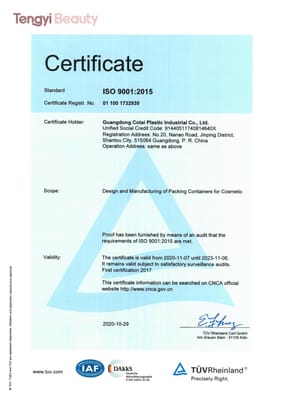 ISO 9001:2015 quality management
-
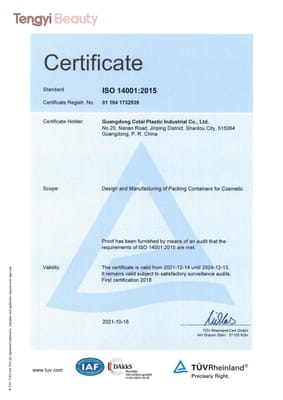 ISO 14001:2015 environmental management
-
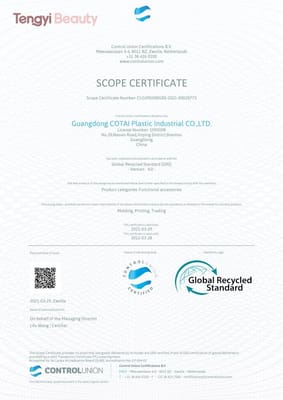 Global Recycled Standard (GRS) scope certificate
Cosmetic Packaging Quality Control FAQs
The checks buyers ask about before approving a packaging sample.
How do you test lip gloss tubes for leakage?
Our tube checklist specifies coloured test liquid, a vacuum of −0.06 MPa for five minutes and a further 30-minute standing check before inspecting the threads. The method checks for visible leakage under those conditions; it does not replace testing with your actual formula.
What checks help prevent loose applicators and wipers?
Pull-force checks assess wiper retention, stem-to-cap attachment and brush-head-to-stem attachment. Applicable components and acceptance criteria depend on the selected tube design.
How do you check whether a lipstick mechanism works smoothly?
We measure the mechanism’s operating torque and manually assess rotation for roughness or resistance. The lipstick checklist also includes component retention and cap opening and closing force checks.
How are printed logos and coated surfaces inspected?
We compare artwork position, colour and lettering with the approved references. A separate 3M 810 tape check assesses printing and sprayed-coating adhesion on applicable components.
What determines which tests apply to my packaging?
The product’s structure, components and decoration determine the relevant checks. For example, mirror retention applies to compacts fitted with mirrors, while applicator retention applies to suitable liquid makeup tubes. Share any additional requirements before sampling so we can review them.
Who should test compatibility with the cosmetic formula?
Your team should test the selected packaging with the actual formula and filling process. Our mechanical, appearance and test-liquid checks do not establish compatibility with every lip gloss, mascara or other cosmetic formulation.